
Building Regulations for Replacement Windows in 2026: What Homeowners Need To Know
January 14, 2026|News
Planning to replace your windows? Understanding the building regulations for replacement windows is essential before you start your project. Whether you’re upgrading for better energy efficiency, improved security, or a fresh look, compliance with current regulations ensures your installation is safe, legal, and fit for purpose.
This guide will walk you through everything homeowners in the North East need to know about building regulations in 2026, from energy performance standards to fire safety requirements.
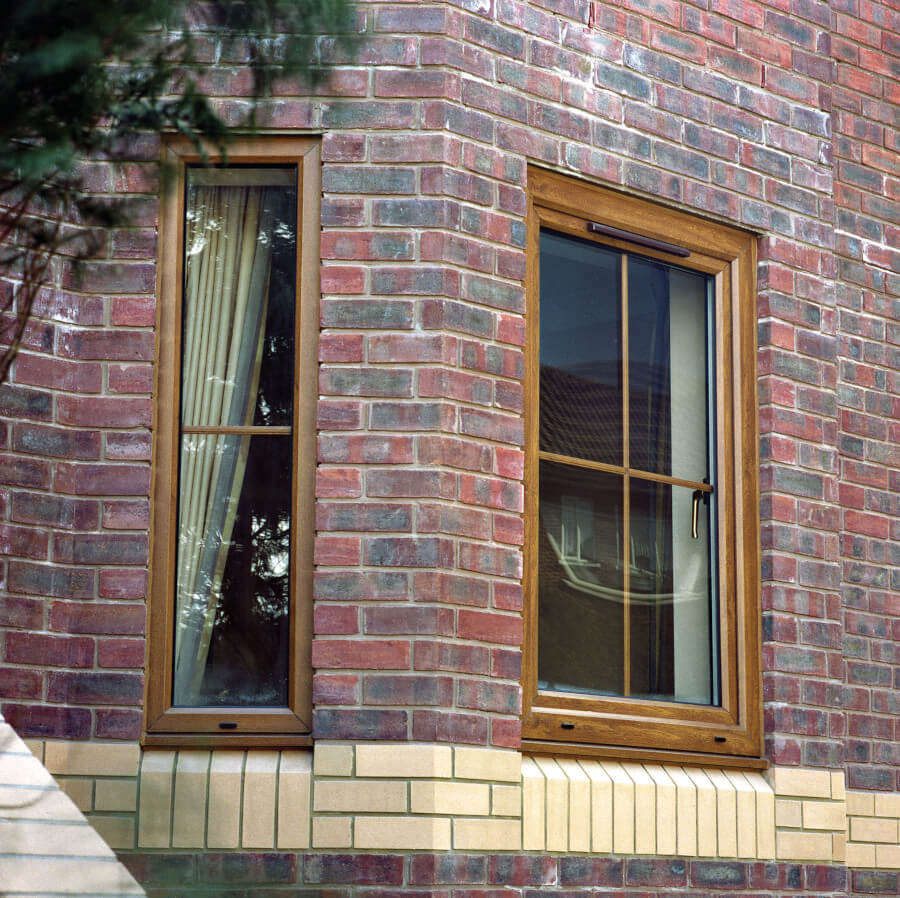
Understanding current building regulations for replacement windows
When you install a replacement window, you’re required to comply with the relevant building control body regulations. These rules exist to protect homeowners and ensure that all installations meet minimum standards for safety, ventilation, and thermal performance.
The requirements of the building regulations are set out in approved documents, particularly Part L (conservation of fuel and power), Part B (fire safety), Part F (ventilation), and Part N (glazing safety). Whether you’re replacing a single window or upgrading your entire property, these regulations apply.
Do you need building regulations approval?
In most cases, replacement glazing work must comply with building regulations. However, you won’t necessarily need to submit a building regulations application yourself if you use a registered installer.
There are two main routes to compliance:
- Using a Competent Person Scheme member
When you choose an installer registered with a relevant competent person scheme (such as FENSA), they can self-certify the work. After installation, you’ll receive a certificate of compliance or FENSA certificate, which proves the work meets building control requirements. This is the simplest route for homeowners and covers most replacement window projects.
- Applying through Building Control
If you use an unregistered installer, you’ll need to notify your local authority building control or a registered building control approver before work begins. You can submit a building notice or a full building regulations application. A building control officer will then inspect the work and issue approval once complete.
At Tyneside Home Improvements, we’re registered installers, meaning we handle all certification on your behalf. You’ll receive full documentation proving compliance without the hassle of dealing with local authority building control yourself.
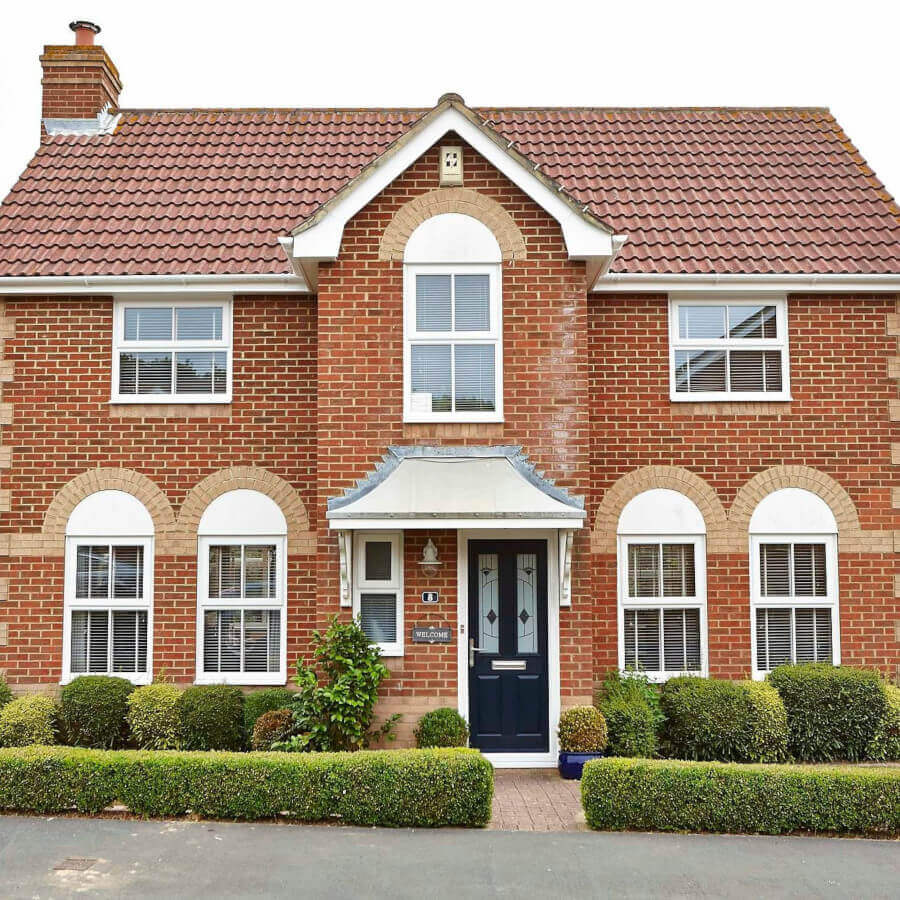
Key building regulation requirements for 2026
Energy efficiency and thermal performance
Part L of the building regulations focuses on the conservation of fuel and power. All replacement windows must meet minimum energy efficiency standards to reduce heat loss and lower carbon emissions.
Your new window must achieve a window energy rating of at least C-band or a U-value of 1.4 W/m²K or better. U-values measure how much heat passes through the glass and frame—the lower the number, the better the insulation.
Modern windows like ours are designed to deliver greater energy efficiency than older models. Features such as advanced glazing, thermally efficient frames, and tight weather seals work together to minimise the amount of heat escaping from your home, keeping energy bills down and improving comfort.
At Tyneside, we offer quality double glazing (and even triple glazing) to meet and exceed current building regulations. Our windows are A-rated as standard, and come complete with thermal efficient construction to keep your home comfortable and your bills low.
Adequate ventilation and trickle vents
Part F covers ventilation requirements. In habitable rooms such as bedrooms and living rooms, new building regulations require that replacement windows include a means of background ventilation—usually in the form of trickle vents.
Trickle vents are small openings built into the window frame that allow a controlled amount of air to enter the room. They provide adequate ventilation without the need to open the window fully, reducing condensation and improving indoor air quality.
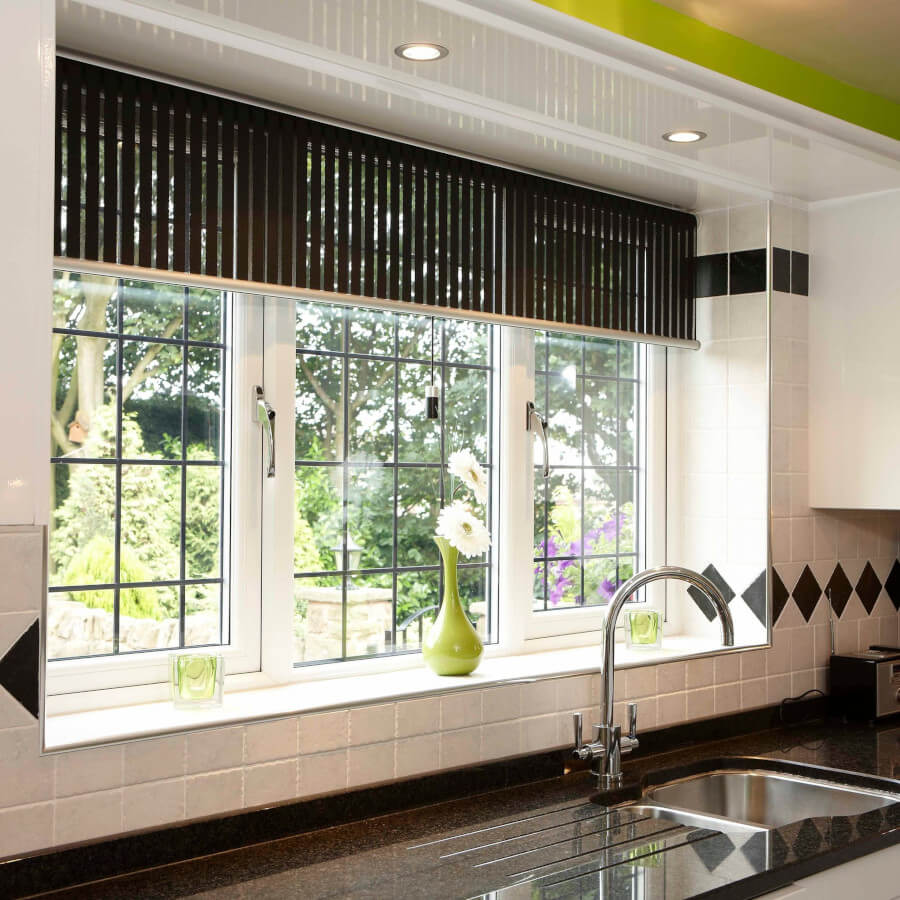
How much ventilation does my room need?
The extent of ventilation depends on the size of the room and floor area. Habitable rooms need background ventilation via trickle vents. Utility rooms, kitchens, and bathrooms require higher levels of ventilation, often achieved through mechanical fans or larger window openings.
Fire safety and means of escape
Fire safety is covered under Part B of the building regulations. If you’re replacing a window on the first floor or above, and it serves as a means of escape in case of fire, specific requirements apply.
An escape window must have a minimum opening size to allow safe exit. Window openings must provide an unobstructed area of at least 0.33 m² and be at least 450 mm in height and width. The bottom of the opening should be no more than 1,100 mm from the floor.
If your original window was used as a fire escape route, your new window must provide the same functionality. Our team at Tyneside Home Improvements ensures that all installations comply with fire safety requirements, giving you peace of mind.
Safety glazing in critical locations
Part N addresses safety glazing. Certain locations in your home are classed as “critical locations” where there’s a higher risk of impact. These include:
- Glazing in doors and side panels next to doors
- Windows in bathrooms and shower rooms
- Glazing at low level (below 800 mm from the floor)
- Areas near stairs or changes in floor level
In these locations, safety glass that meets British Standards (BS 6206 Class A, B, or C) must be used. This type of glass is designed to break safely or resist impact, reducing the risk of serious injury.
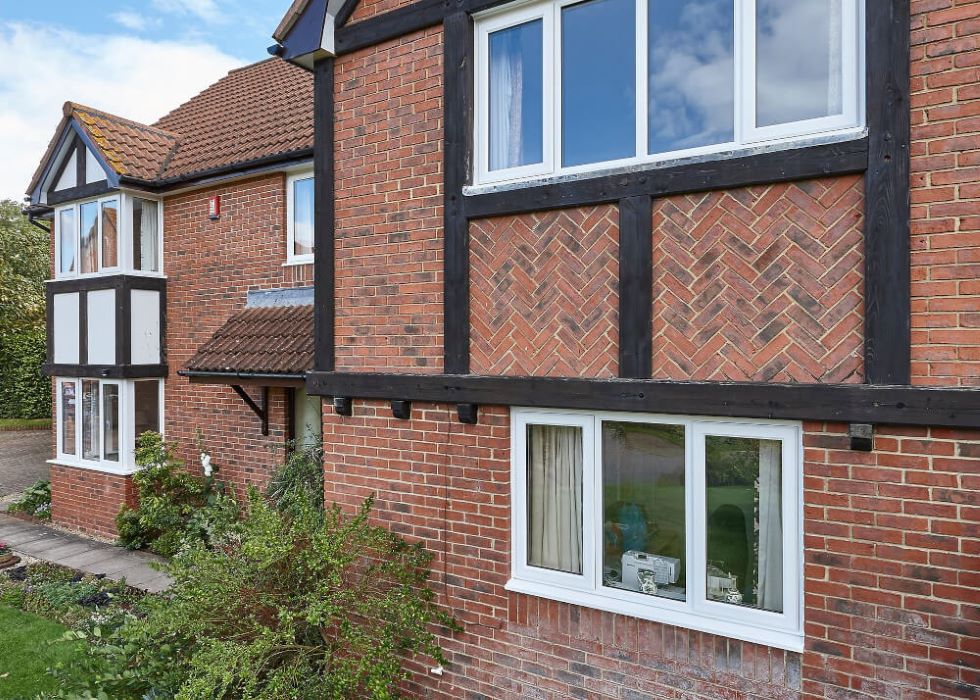
How Tyneside Home Improvements meets and exceeds building regulations
At Tyneside Home Improvements, compliance isn’t just a box-ticking exercise—it’s built into everything we do. As registered installers with over 18 years in business, we ensure your installation meets all current building regulations.
Our team stays up to date with new building regulations and general guidance, so you don’t have to. We’ll explain what’s needed and handle the details for you.
Our range of compliant windows
Whether you prefer the classic look of timber or the sleek lines of modern aluminium, all our windows are designed to meet and exceed the latest building regulations.
uPVC windows
Our uPVC windows are the most popular choice among homeowners in Newcastle and across the North East. They offer outstanding thermal performance, low maintenance, and cost-effective pricing without compromising on style or security.
Available in a wide range of colours and finishes, from subtle Anthracite Grey to vibrant Royal Blue, our uPVC windows suit any home. Whether you choose casement, tilt and turn, flush sash, or sliding sash styles, you’ll benefit from A-rated energy efficiency, multi-point locking, and long-lasting durability.
Aluminium windows
For those seeking a contemporary aesthetic with slim sightlines and maximum natural light, our aluminium windows are an excellent choice. Inherently strong and weather-resistant, aluminium frames can support larger glass panes while maintaining outstanding thermal performance thanks to advanced thermal break technology.
Powder-coated in any RAL colour, our aluminium windows deliver both style and substance. With an expected lifespan of around 45 years, they’re a smart long-term investment.
Wood-effect uPVC windows
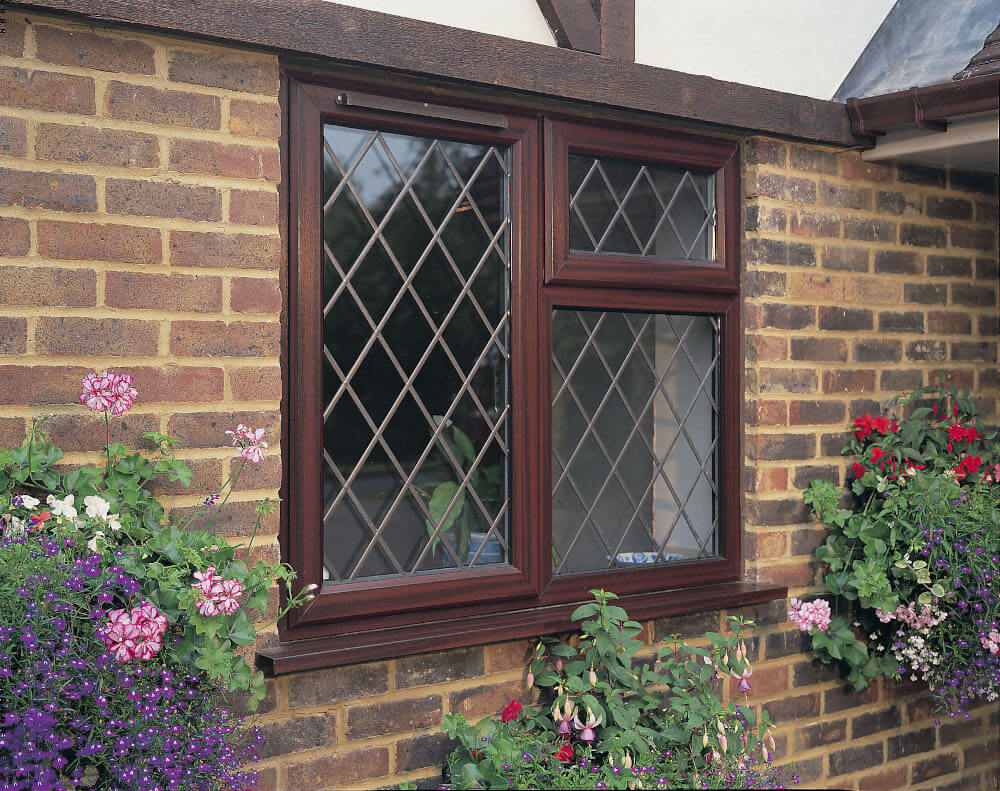
If you live in a conservation area or period property, our wood-effect windows offer the authentic appearance of traditional timber with all the benefits of modern uPVC. Available in realistic finishes such as Irish Oak and Rosewood, these windows require no sanding, painting, or varnishing.
They’re ideal for homeowners who want to retain the character of their property while enjoying greater energy efficiency, security, and ease of maintenance. Many conservation areas accept wood-effect uPVC as a suitable alternative to traditional timber—our team can advise you on your specific circumstances.
Why compliance matters
Installing windows that don’t meet building regulations can result in serious consequences. You may face enforcement action from your local authority, struggle to sell your property, or find that your home insurance is invalidated.
More importantly, non-compliant windows may compromise your family’s safety in case of fire, fail to provide adequate ventilation, or lead to excessive heat loss and higher energy bills.
By choosing Tyneside Home Improvements, you’re choosing an installer who prioritises quality, safety, and regulatory compliance in every project.
Upgrade your windows with Tyneside: contact us today
Understanding building regulations for replacement windows doesn’t have to be complicated. With Tyneside Home Improvements, you get expert guidance, fully compliant installations, and complete peace of mind.
Get in touch today for a free, no-obligation quote.
Call us on 0191 489 5063 or fill out our online contact form to discuss your home improvement plans.