
Living near busy roads or in noisy urban areas can seriously impact your quality of life. If you’re woken by traffic noise or struggle to relax in your living space due to external noise, you’re not alone. Many homeowners across the North East turn to double glazing noise reduction as a practical solution to unwanted sound.
But how much difference does it actually make? In this guide, we’ll explain exactly how double glazing helps with noise reduction, what decibel levels you can expect, and when you might need specialist acoustic glazing.
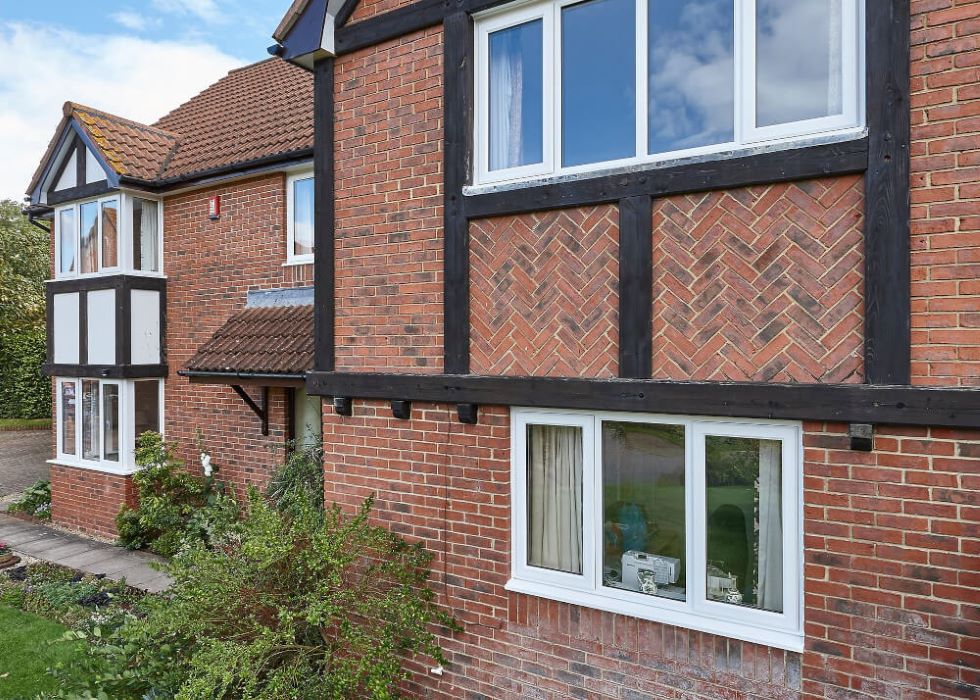
What is double glazing?
Double glazing consists of two panes of glass separated by a layer of air or gas-filled space. This air gap typically measures between 16mm and 20mm, creating a barrier between your home and the outside world.
The design serves two key purposes. First, it improves energy efficiency by reducing heat loss and lowering your energy bills. Second, it provides significant noise reduction by blocking outside noise from entering your home. The space between the glass panes acts as a buffer, disrupting sound waves before they can enter your property. This makes double glazing far more effective than single-pane windows at reducing noise pollution.
How much noise does double glazing actually reduce?
Standard double glazing typically reduces noise levels by around 20 to 30 decibels (dB).
To put this in perspective, normal conversation registers around 60dB, whilst busy traffic can reach 70-85dB. If you currently have single-glazed windows, upgrading to double glazing can make a noticeable difference to your home’s comfort, particularly if you live near busy areas or main roads.
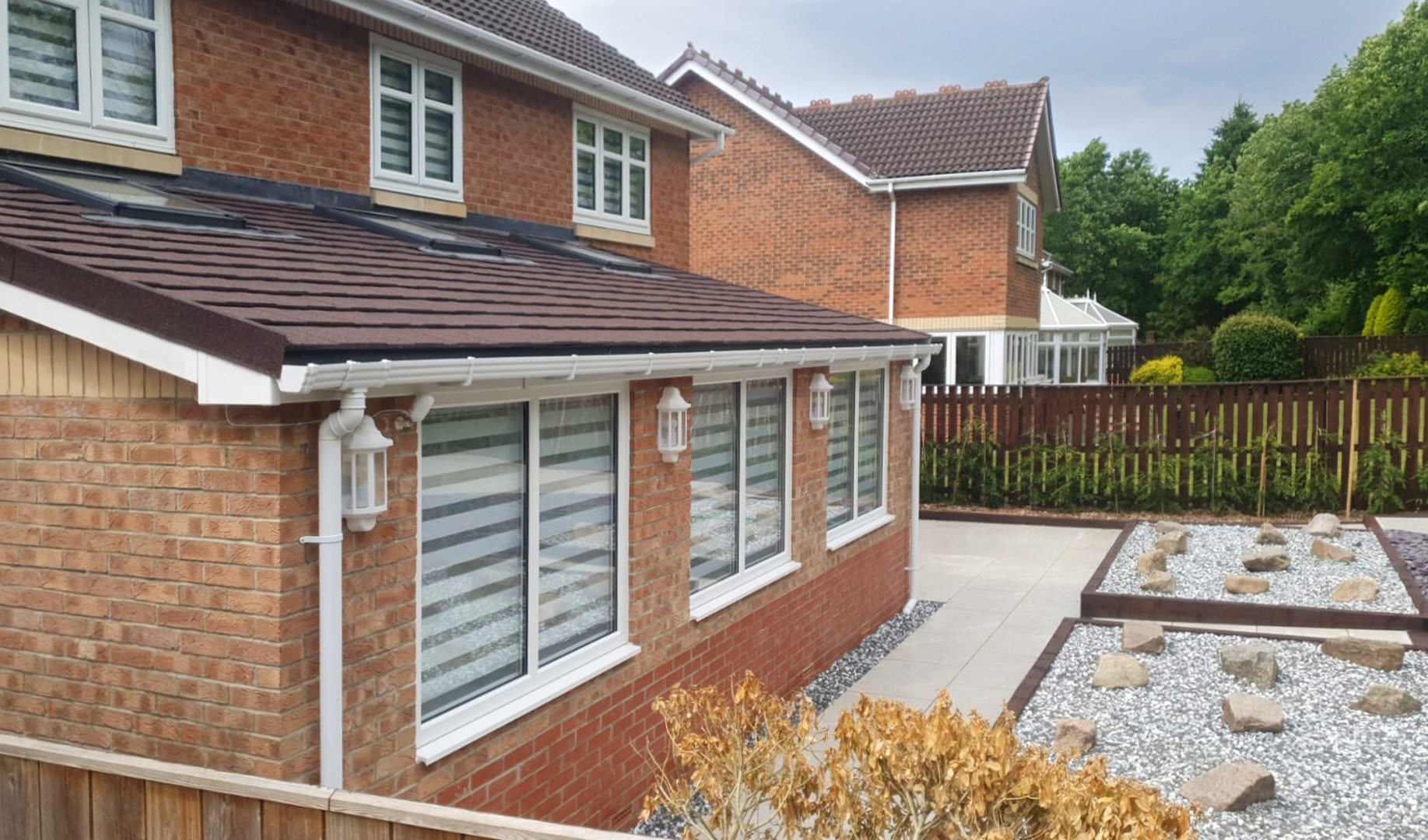
How does double glazing help with acoustic insulation?
Sound travels through vibrations. When sound waves hit a pane of glass, they cause it to vibrate, transmitting the noise into your home. Double glazing disrupts this process in several effective ways.
The air gap
The layer of air or gas between the two panes of glass acts as a crucial barrier. Sound vibrations struggle to travel through this gap, significantly reducing the amount of noise that reaches the internal pane.
Different thicknesses
Using panes of different thicknesses improves acoustic performance considerably. For example, combining a 4mm pane with a 6mm pane means each piece of glass resonates at a different frequency.
Sealed units
Modern double-glazed windows are sealed units, which prevents air leakage that could otherwise allow unwanted noise to enter through gaps around window frames. This tight seal is essential for maintaining both thermal efficiency and sound insulation.
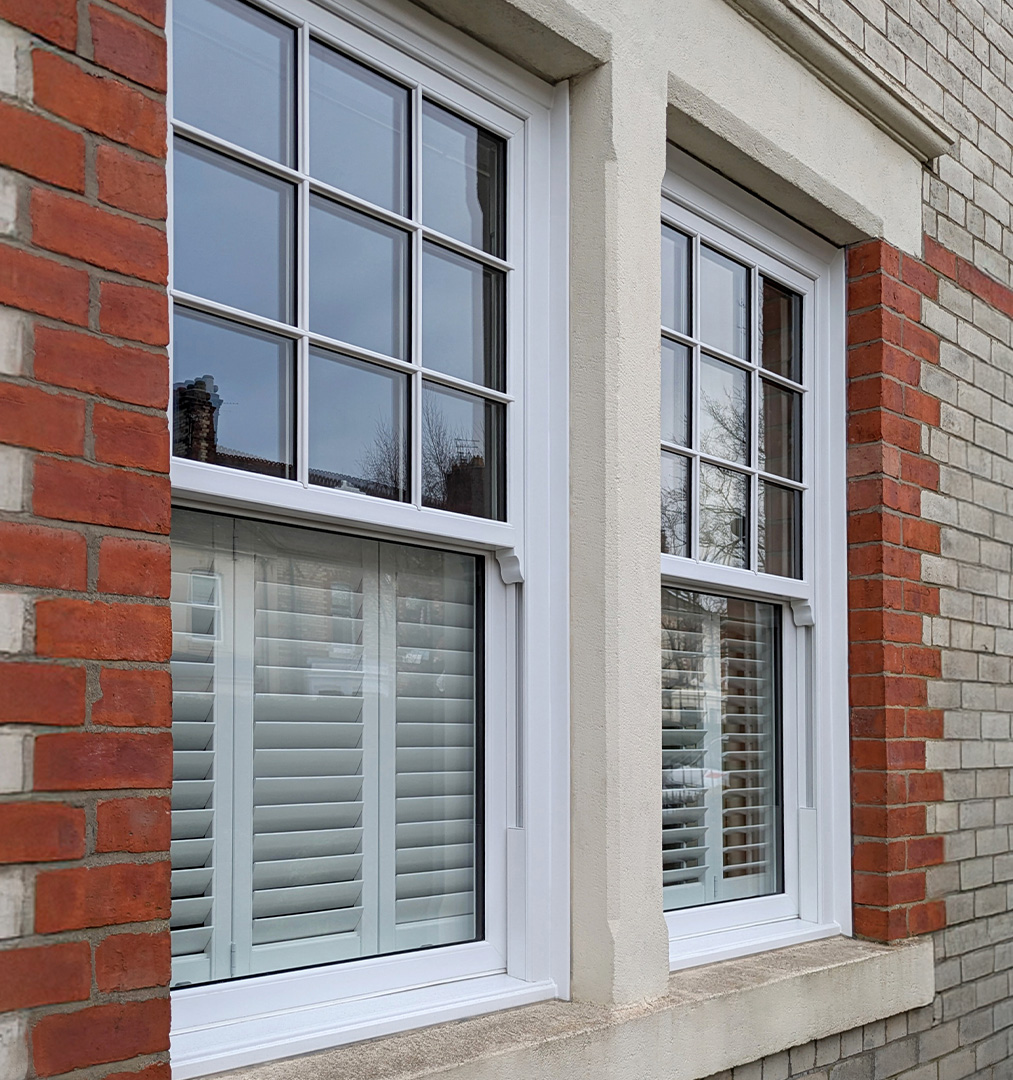
When do you need acoustic glazing?
Standard double glazing works well for most homes. However, if you live in particularly noisy environments, specialist acoustic glass may be necessary.
Consider acoustic glazing if you live directly on busy roads with constant traffic noise, if average noise levels regularly exceed 70dB outside your home, or if standard double glazing hasn’t provided sufficient noise reduction. You may also need acoustic glass to meet specific sound insulation requirements for certain properties.
Acoustic glass typically reduces noise by 30 to 40 decibels, offering superior protection against unwanted sound compared to standard double glazing. This makes it ideal for homes in busy areas where traffic noise or other external disturbances are a significant concern.
Does thicker glass reduce more noise?
Yes. Thicker glass provides better sound reduction than standard panes. Upgrading from 4mm to 6mm or 8mm glass noticeably improves acoustic performance. Combining different thicknesses across the layers of glass delivers even better results against unwanted outside noise.
Do trickle vents reduce the effectiveness of noise reduction?
Trickle vents are required by building regulations for ventilation but can allow some sound through. However, the impact on overall sound levels is minimal with proper installation. Acoustic trickle vents are available for properties in particularly noisy locations to maintain performance.

Tyneside Home Improvements’ range of double glazed windows
At Tyneside Home Improvements, we offer a range of high quality double glazed windows designed to reduce noise pollution whilst improving thermal efficiency.
Our casement windows provide contemporary style with excellent sound insulation and energy efficiency. For those seeking a more modern aesthetic, our flush casement windows offer sleek, minimalist design that sits flush with the frame, combining clean lines with outstanding acoustic performance. Traditional properties benefit from our sliding sash windows, which feature classic sliding sash design enhanced with modern double glazing technology. We also offer tilt and turn windows with versatile opening options and superior sealing for maximum noise reduction.
All our new windows feature advanced weather seals to prevent noise leakage, energy-efficient glazing that reduces both heat loss and external noise, and secure locking systems for complete peace of mind. You can choose from multiple colour and woodgrain finishes to ensure your windows suit any property style.
Our variety of window materials
Choosing the right material for your window frames can impact both aesthetic appeal and acoustic performance.
uPVC frames are the most popular choice for noise reduction. They offer excellent thermal efficiency and sound insulation thanks to their multi-chambered design with air chambers that further reduce noise levels. These windows require minimal maintenance, with no painting or staining needed throughout their lifespan. uPVC provides a cost-effective solution for most homeowners and comes in a wide range of colours and finishes to complement any property.
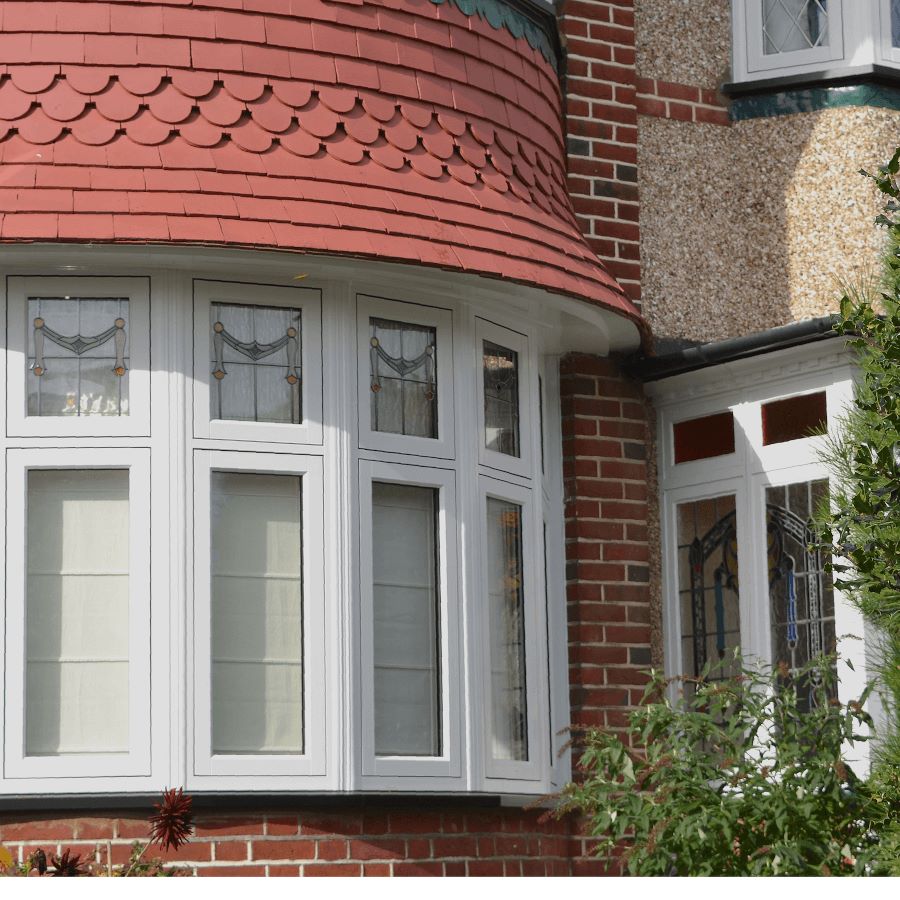
Aluminium frames provide slim sightlines perfect for creating a contemporary look. They offer exceptional durability and longevity, maintaining their appearance and performance for decades. When fitted with quality glazing, aluminium frames deliver good acoustic performance. Available in numerous powder-coated finishes, these frames are ideal for modern properties and large glazed areas where sleek design is a priority.
Both uPVC and aluminium windows can be fitted with standard double glazing or upgraded acoustic glass depending on your specific noise reduction needs.
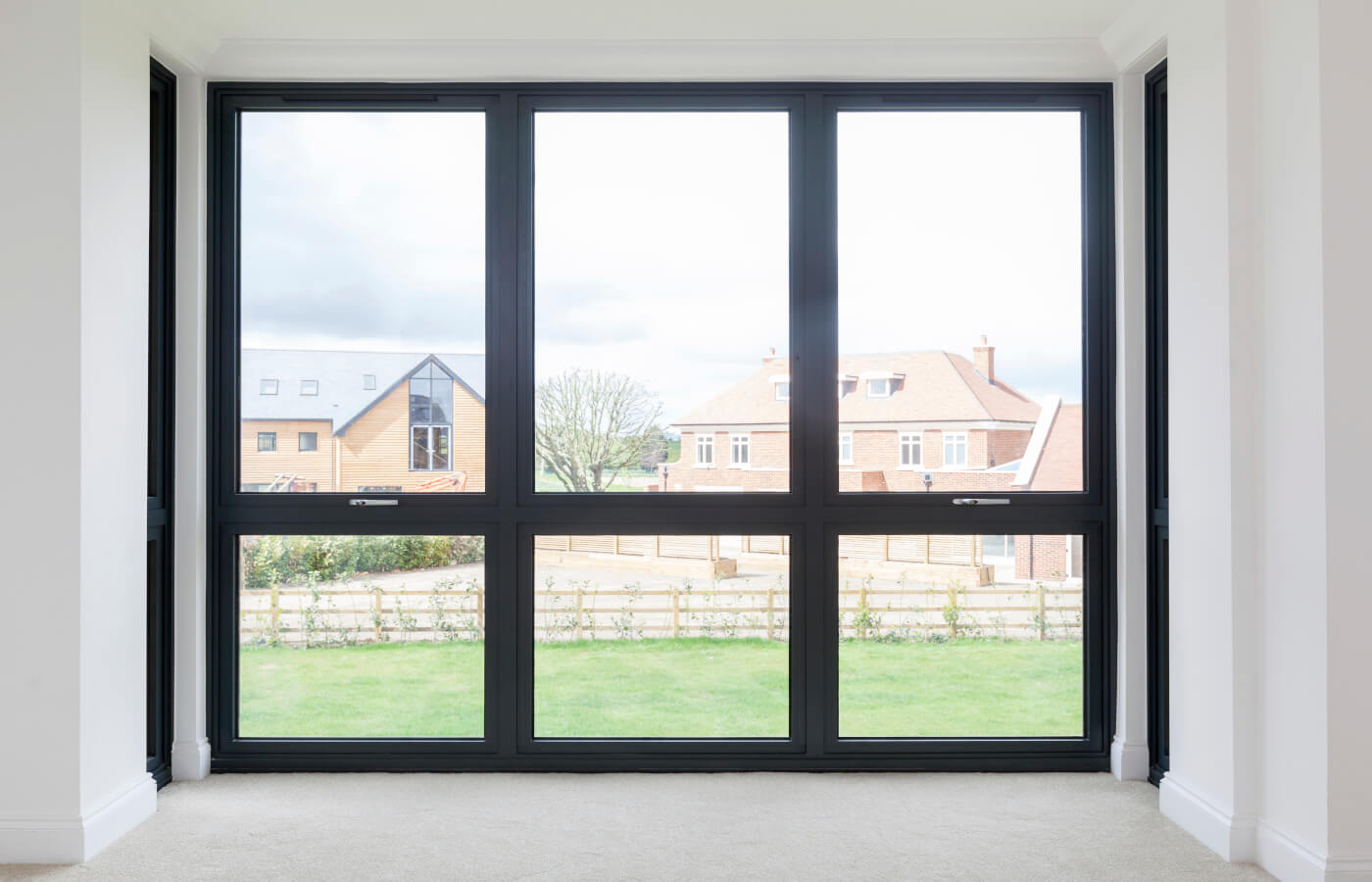
Triple glazing for optimal noise insulation
Typically, double glazing is sufficient in reducing noise pollution and creating a quieter indoor environment. However, triple glazing is worth considering if you live in particularly noisy environments where traffic noise or other external sounds are persistent. The extra insulating gap and pane of glass helps to reduce noise transfer as well as providing additional thermal efficiency.
The bottom line: is double glazing worth it for noise reduction?
Yes. Double glazing provides substantial noise reduction for UK homes. Standard double glazing reduces noise by 20-30dB, which makes a significant difference to comfort in most residential areas. Acoustic glass offers 30-40dB reduction for noisier locations where standard glazing isn’t quite enough.
If traffic noise, unwanted sound from neighbours, or general noise pollution is affecting your comfort at home, upgrading to double glazed windows is one of the most effective solutions available.
Ready to reduce noise in your North East home? Contact Tyneside Home Improvements
Whether you need standard double glazing for moderate noise reduction or specialist acoustic glass for properties on busy roads, we’ll provide honest advice and professional installation. Every project begins with understanding your particular situation, from the type of noise you’re experiencing to your home’s architectural style and your performance expectations.
Get in touch today: fill out our online contact form, call us on 0191 489 5063, or email us at sales@thi.uk.com .