There is often food for thought when it comes to choosing a conservatory roof, whether it be a replacement or as part of a new installation. When one considers their options when it comes to roofing for your conservatory or house extension, understanding the differences between the various roof structures is important, no matter how small the detail. A roof type that has gained popularity in recent years is the warm roof, thanks in large part to its superior thermal performance and energy efficiency.
What is a warm roof and why you need one
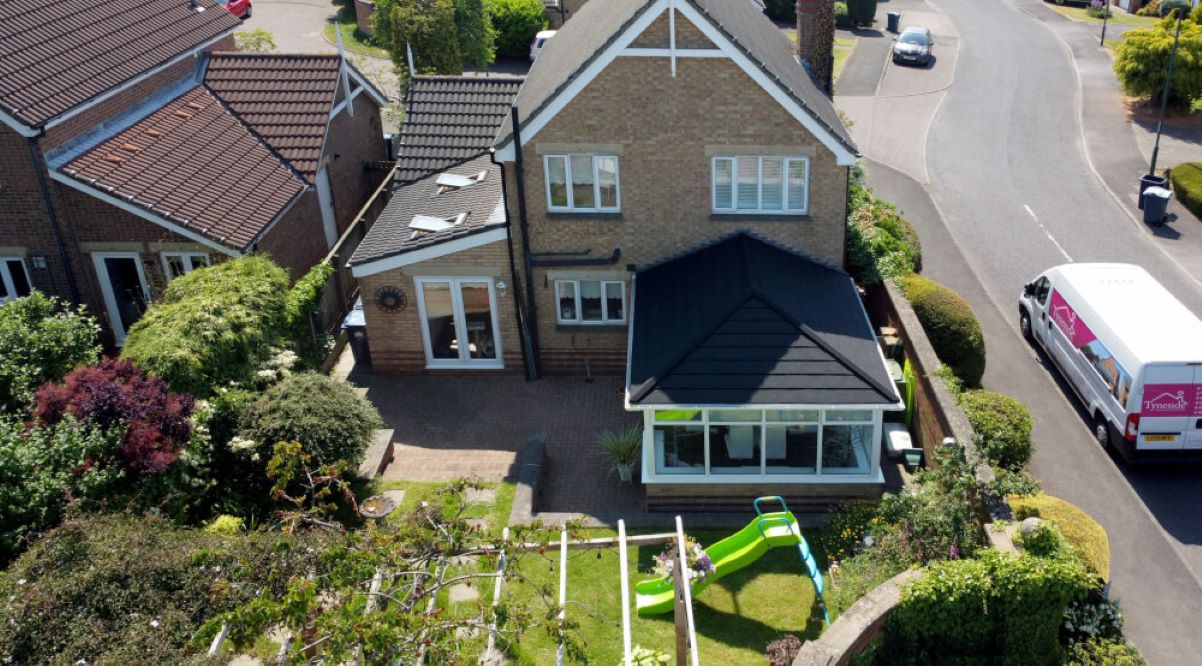 Warm roofs are not necessarily a complicated structure, but there are certainly nuances that are more than useful to understand. The insulation layer on a warm roof is placed above the structural deck, which in turn makes it closer to the top of the roof structure.
This positioning ensures the structural deck and internal finishes remain on the warm side of the insulation. As a result, this protects them from any potential fluctuations or sharp changes in temperature and also reduces the risk of condensation.
Issues that may arise with a cold roof, such as interstitial condensation, are minimised by the warm roof system. This is because of the enhanced levels of thermal efficiency on offer, unlike the cold roof where insulation is placed below the roof deck.
How a warm roof differs from a cold roof
The main difference between the a warm roof and a cold roof is the positioning of the insulation. With a cold flat roof, the insulation is placed between the joists, below the structural deck. This, though, can increase the risk of condensation, despite it being a traditional method. This is because of the roof deck remaining cold, in turn allowing potential moisture to condense on internal surfaces.
A warm flat roof, on the other hand, sees the insulation boards installed above the roof deck which helps to keep the deck warm and free from any issues with condensation. The thermal performance of the roof is improved significantly through this design, prolonging the lifespan of the roof structure.
Can a warm roof be retrofitted to an existing building?
A warm roof can be retrofitted to an existing building. It is a roof design where insulation is placed above the roof deck, keeping it warm and reducing heat loss. Unlike a cold roof, a warm roof is ideal for retrofitting as it doesn’t require ventilation like a traditional roof.
Components of a warm roof system
A typical warm roof system consists of several key layers, each contributing to its effectiveness:
- Structural Deck: The base layer providing stability for the entire roof construction.
- Vapour Control Layer: Positioned above the deck to prevent water ingress and protect against potential moisture.
- Insulation Layer: Insulation boards form the core of the system, ensuring excellent thermal insulation and energy efficiency.
- Waterproofing Layer: Placed on top of the substrate layer, this ensures the roof remains watertight and weather-resistant.
- Roof Covering Material: The external finish, such as metal roofing, felt, or other roof covering options.
Benefits of a warm roof
Superior thermal efficiency
Heat loss is minimised with warm roofs thanks to the placement of the insulation layer above the structural deck, in turn improving the thermal efficiency of a building. Thermal bridging is also a potential problem that is eliminated through the design of a warm roof. This is an issue with cold roofs, where heat escapes through gaps in the insulation.
Building regulations compliance
There has been a significant focus on energy efficiency in recent iterations of building regulations, along with reducing structural damage linked to condensation. Warm roofs comfortably meet these requirements, which makes them a top choice for both residential and commercial properties in the North East.
Enhanced longevity
By keeping the structural deck on the warm side, a warm roof protects it from water ingress and the aforementioned interstitial condensation, significantly reducing the risk of structural damage.
Reduced condensation problems
The inclusion of a vapour barrier and the design of the warm roof system prevent moisture from condensing on internal surfaces, enhancing the durability of the roof and the comfort of the indoor environment.
Examples of applications of warm roofs
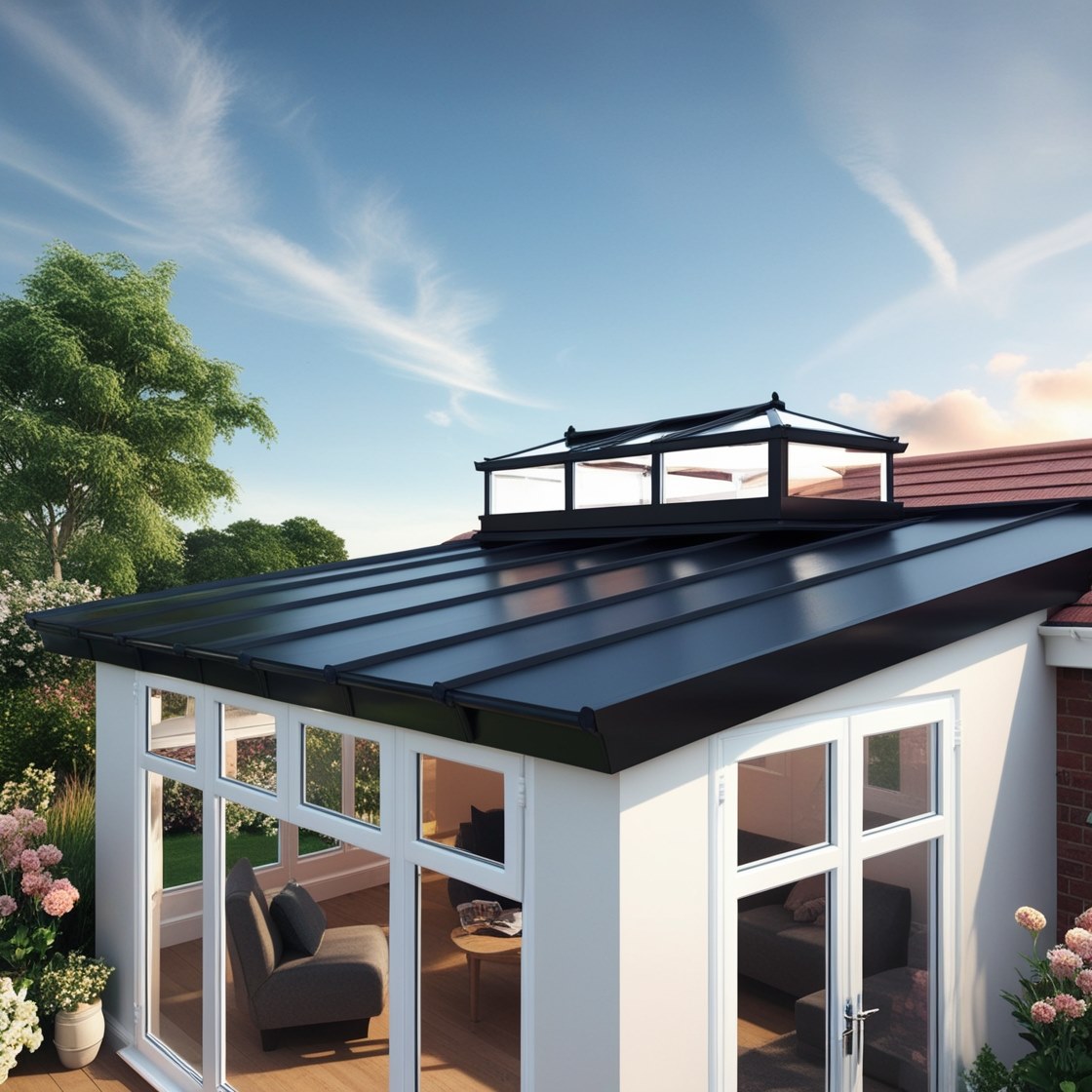 Warm roofs are versatile and can be used in various settings, including:
- Warm Flat Roof Construction: Ideal for new builds or upgrading an existing flat roof.
- Metal Roofing: Particularly effective in preventing condensation issues that metal roofs are prone to.
- Flat Roof Extensions: Ensures seamless integration with modern, energy-efficient designs.
The role of roof insulation
The insulation layer in a warm roof system plays a critical role in its effectiveness. Insulation boards reduce heat loss and maintain a stable internal temperature, reducing energy consumption and lowering heating costs.
The top of the roof is protected by a waterproofing layer, which safeguards the insulation layer and enhances the roof’s lifespan.
How warm roofs prevent structural damage
One of the biggest risks in roof construction is interstitial condensation. When warm air inside the building meets the cold surface of the structural deck (as in a cold roof), it condenses, leading to water ingress and eventually structural damage. By keeping the structural deck warm and dry, a warm roof mitigates these risks.
Warm roof vs cold roof: which is better?
While both types of roofs have their applications, a warm roof is generally superior in terms of:
- Thermal Performance: Warm roofs offer better thermal insulation and energy efficiency.
- Moisture Control: By addressing potential moisture and condensation issues, warm roofs are less prone to damage.
- Compliance: Warm roofs meet stringent building regulations, making them a future-proof choice.
What you should consider for a warm roof installation
If you’re planning to install a new roof, consider the following:
- Condition of the Existing Flat Roof: A warm roof is an excellent upgrade for roofs in good condition.
- Insulation Boards: High-quality materials are essential for achieving desired thermal performance.
- Type of Roof: Whether it’s a flat roof or a sloped one, the warm roof system can be adapted to suit different designs.
Why your warm roof needs maintaining
Proper maintenance is key to ensuring the longevity of a warm roof. It is a good idea to do regular inspections of the roof covering material and waterproofing layer as these can prevent small issues from escalating into major repairs. Addressing minor problems like cracks or damaged insulation boards early on will keep the roof in good condition for years to come.
So, why a warm roof?
A warm roof is a modern solution that addresses the shortcomings of traditional cold roof designs. By improving thermal efficiency, reducing the risk of condensation, and ensuring compliance with building regulations, a warm roof is an investment in the comfort, durability, and energy efficiency of your property. Whether you’re considering a new roof or upgrading an existing flat roof, a warm roof system offers long-term benefits and peace of mind. Contact us at Tyneside Home Improvements to look into your roofing options, or get a free quote.